
Advanced House Buying Techniques by John Schaub – Immediately Download
Real estate can reward patience—but it also rewards precision. The difference between an average deal and a career-defining one is rarely luck; it’s usually structure: how you set goals, how you finance, how you negotiate, and how you control risk while expanding cash flow.
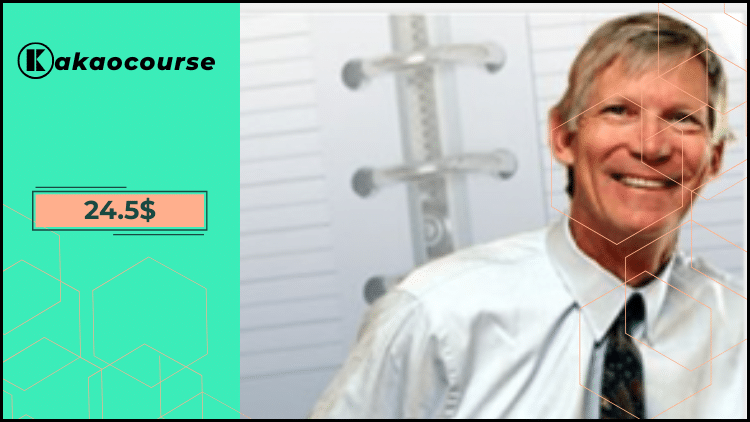
Advanced House Buying Techniques by John Schaub is a compact, strategy-dense program focused on the parts of house buying and investing most people never learn in conventional training—creative terms, equity control without extra responsibility, note strategies, partnership structures, and decision rules for holding, trading up, or selling.
This digital course is delivered as a 525 MB package priced at $24.5, making it accessible for international buyers who want practical frameworks without committing to a long, expensive curriculum.
Important note: This is educational content, not individualized financial, legal, or tax advice. Real estate regulations and tax rules vary by country and region; consult qualified professionals for decisions involving contracts, compliance, or retirement accounts.
Free Download Advanced House Buying Techniques by John Schaub – Here’s What You’ll Get Inside:
Advanced House Buying Techniques by John Schaub, Quick Free Audio for More Information:
Overview This Course
Advanced House Buying Techniques is designed for buyers and investors who already understand the basics—location, comps, inspections, financing fundamentals—but want to operate at a higher level where deals are shaped by terms and structure, not just purchase price.
John Schaub’s approach emphasizes a core idea: you can often increase upside (cash flow, equity participation, flexibility) by improving the way you structure ownership, financing, and agreements—sometimes without taking on proportional additional effort.
Expect a toolkit-oriented curriculum that spans multiple deal environments:
-
Standard purchases with optimized financing
-
Creative financing and note design
-
Trading and exchanging to reposition equity
-
Partnerships, groups, and related-party transactions (handled carefully and ethically)
-
Controlling profit participation without traditional ownership
-
Working with builders and developers across new builds, resale, and distressed scenarios
Rather than presenting a single “one-size-fits-all” method, the course introduces multiple techniques so you can select what fits your market, risk tolerance, capital position, and long-term plan.
Why Should You Choose This Course?
Many real estate education products focus on motivation or high-level theory. This one is different: it concentrates on decision leverage—the set of techniques that can materially change outcomes even when the property itself is ordinary.
Here are the main reasons international learners choose this kind of program:
-
It teaches “terms thinking,” not just property selection
-
Two investors can buy the same type of house and get very different results depending on financing structure, payment design, and negotiated security.
-
-
It expands your options in restrictive markets
-
When interest rates, inventory, or lending standards are tight, creativity in deal structure can keep you moving—legally and transparently—when others stall.
-
-
It addresses the most common wealth bottlenecks
-
Limited down payment capital
-
Cash flow pressure after acquisition
-
Overconcentration in one price bracket or strategy
-
Difficulty scaling without adding management headaches
-
-
It provides frameworks for both accumulation and consolidation
-
Knowing when to hold is as important as knowing when to sell.
-
Trading up can improve cash flow and reduce management when done strategically.
-
-
It speaks to real investors, not just first-time buyers
-
Topics like blanket mortgages, variable payment notes, participating paper, and leasehold interests are not beginner concepts—yet they are often where experienced investors find their edge.
-
If your current strategy is “buy a good house and hope financing works out,” this course pushes you toward “design the deal so the house works harder for you.”
What You’ll Learn
The program covers a broad set of advanced techniques. To make them practical, it helps to group them into themes you can apply repeatedly.
1) Strategic Goal-Setting and Portfolio Logic
You’ll learn how to make decisions based on a portfolio plan—not just deal-by-deal excitement:
-
Setting bigger goals that match your capacity and time horizon
-
Defining different goals for different entities (where relevant)
-
Selecting which properties you should prioritize for a long-term (e.g., 10-year) hold strategy
-
Buying specific houses for specific reasons (cash flow, appreciation profile, management simplicity)
2) Equity Control and Cash Flow Engineering
A core focus is controlling more upside without automatically taking on more operational burden:
-
Restructuring financing to improve monthly cash flow
-
Knowing when “more equity” is worth the responsibility—and when it is not
-
Using approaches that separate economic benefit from day-to-day management (where appropriate)
3) Creative Financing and Note Design
This is where many advanced investors differentiate themselves:
-
Borrowing on creative terms, including variable payment notes
-
Designing notes that align payment structure with your cash flow plan
-
Negotiating the security behind an agreement (protecting both sides)
-
Using related-party borrowing carefully and transparently when applicable
4) Transaction Structures Beyond Simple Ownership
The course explores strategies that expand how you can participate in deals:
-
Buying with others (partnership and group structures)
-
Participating paper and partnership interests
-
Separating payments from the note (where legally structured)
-
Controlling profits without owning the property in the traditional sense (agreement-based participation)
5) Leasing, Exchanges, and “In-Between” Methods
Not every profitable arrangement is a conventional purchase:
-
Sandwich leases and leasehold interest concepts
-
Financing and exchanging certain leasehold structures
-
Separating land value from improvements in certain contexts
6) Building, Development, and Distressed Opportunities
For learners interested in the supply side of real estate:
-
Working with builders: holding new homes, building for resale, and financing considerations
-
Model leasebacks and builder-related structures
-
Navigating distressed builder inventory and developer situations with disciplined risk management
7) Risk Management and Long-Term Wealth Behavior
Advanced technique without discipline can backfire. The course reinforces the mindset of sustainable investing:
-
Knowing when to sell and how to trade up to improve cash flow
-
Reducing management load while maintaining returns
-
Wealth preservation principles—staying financially resilient rather than chasing visibility
Core Benefits
This program’s value is not in any single tactic; it is in how the techniques combine to create flexibility.
Benefits you can expect when applying the concepts responsibly:
-
More deal flexibility
-
You’ll see more ways to structure agreements that fit your constraints (capital, time, lending environment).
-
-
Improved cash flow awareness
-
Financing and payment structure become tools you actively design, not passive outcomes you accept.
-
-
Better “hold vs. sell vs. trade” decision-making
-
You’ll build clearer criteria for when to exit, when to consolidate, and when to trade up.
-
-
Portfolio diversification by strategy
-
Understanding different price ranges and their different benefits helps reduce concentration risk.
-
-
Stronger negotiation posture
-
When you understand security, notes, and deal terms, negotiation becomes more specific and less emotional.
-
-
Potentially lower management burden
-
Techniques focused on trading up, structuring participation, and choosing properties deliberately can reduce operational friction over time.
-
A practical way to think about the benefits: this course helps you reduce the number of “single point of failure” deals and increase the number of transactions that still work even when conditions change.
Who Should Take This Course?
Advanced House Buying Techniques is best suited for learners who want to move beyond basics and think like a deal designer.
This course is a strong fit for:
-
Real estate investors with at least some transaction experience who want to scale intelligently
-
Buy-and-hold landlords seeking better cash flow and reduced management load
-
Professionals who prefer structured, repeatable frameworks over hype-driven tactics
-
Deal-makers and negotiators interested in financing structures, notes, and creative terms
-
International learners studying U.S.-style investing concepts (with the understanding that local laws vary and must be verified)
It may be less suitable if you are:
-
Looking for a “quick flip formula” with no attention to risk
-
Unwilling to consult local professionals for legal/tax compliance
-
Not prepared to do the due diligence required for advanced structures
Conclusion
If you are serious about improving your real estate outcomes, the fastest path is often not “finding a perfect property,” but learning how to structure better decisions and better terms. Advanced House Buying Techniques by John Schaub is built for that purpose: expanding your strategic toolbox across financing, equity control, partnerships, notes, leasing structures, and portfolio-level decision rules.
You receive a 525 MB digital course priced at $24.5, covering a wide range of advanced topics—from cash flow engineering and creative borrowing to trading up, participating paper, builder strategies, and wealth-preserving principles.
For investors who want more flexibility and clearer decision logic—without getting trapped in one rigid method—this program is a pragmatic next step.
Enroll in Advanced House Buying Techniques now and start structuring deals with the clarity and leverage that experienced investors use to protect downside and expand upside.





Reviews
There are no reviews yet.